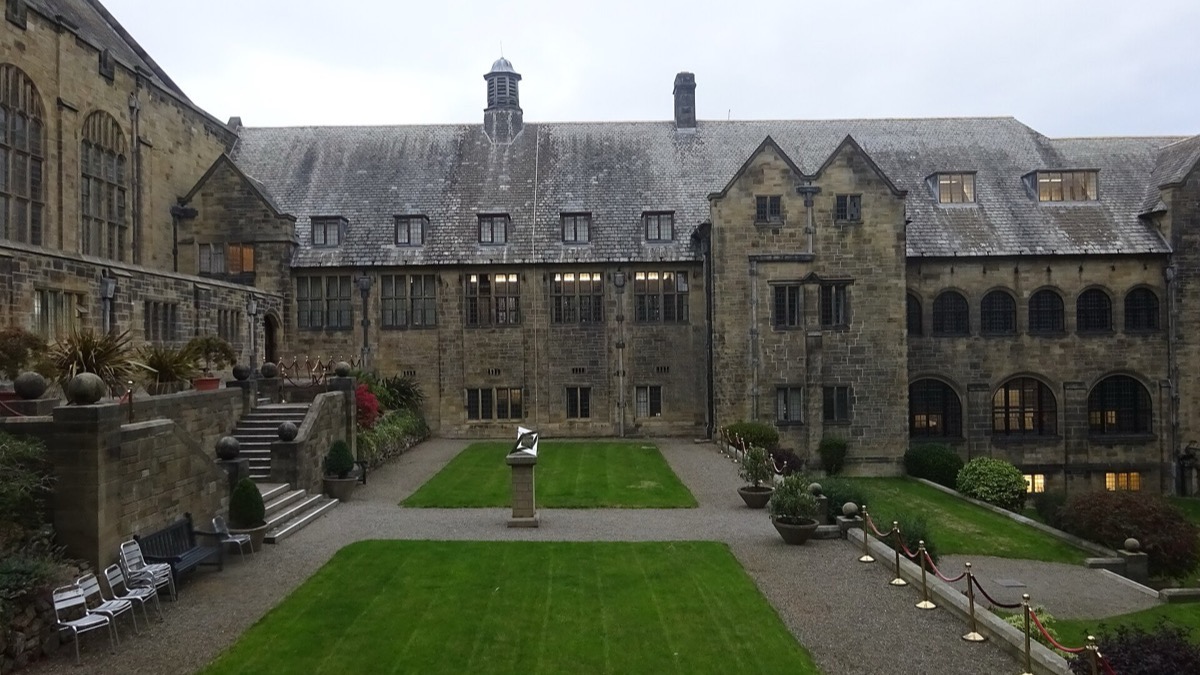
BSc Environmental Science
About this course
Environmental science is the interdisciplinary study of the natural systems that sustain life on Earth and of the ways in which human activity is transforming them. It draws on biology, chemistry, geography, physics and social science to understand ecosystems, climate, soils, water, biodiversity and the pressures that industrial society places on them. At a time when environmental challenges are reshaping the policy agenda globally, scientists who can work across disciplinary boundaries and communicate with decision-makers are in high demand. At Bangor University, this four-year full-time programme includes a sandwich year, a work placement and a year abroad. The sandwich and placement elements give you professional experience in environmental consultancy, government agencies, conservation organisations, research institutions or related settings, developing your practical skills and professional awareness alongside your academic training. The year abroad offers the opportunity to study a different environment, ecosystem or environmental policy context, which is genuinely valuable in a subject that is inherently global in its concerns. You will study core sciences including ecology, biogeochemistry, physical geography and environmental chemistry, alongside more applied topics such as environmental impact assessment, conservation management, pollution science and climate change. Field courses, laboratory work and data analysis are central to the programme, and Bangor's location in North Wales places you within reach of some of the UK's most ecologically significant habitats, from Snowdonia to coastal wetlands and marine environments. Graduates go on to careers in environmental consultancy, ecological surveying, conservation management, environmental monitoring, government agencies, research, science communication and environmental policy. Some go on to postgraduate study in ecology, environmental science, conservation biology or related fields. The analytical and fieldwork skills developed through the programme are valued by a wide range of employers in the public, private and voluntary sectors.
Syllabus & Modules
Typical curriculumStudent Satisfaction
National Student Survey - 25 respondents (79% response rate)
Similarly Ranked Alternatives


What comes next? 🎓
Choosing the right university starts with choosing the right school. Explore transparent, data-driven school profiles powered by official DfE statistics.
Explore Schools on WhatSchool.ai →