High Drop-out Rate Alert
21% of students drop out or transfer from this specific course. Consider asking why on an open day.
BSc Environmental Science
About this course
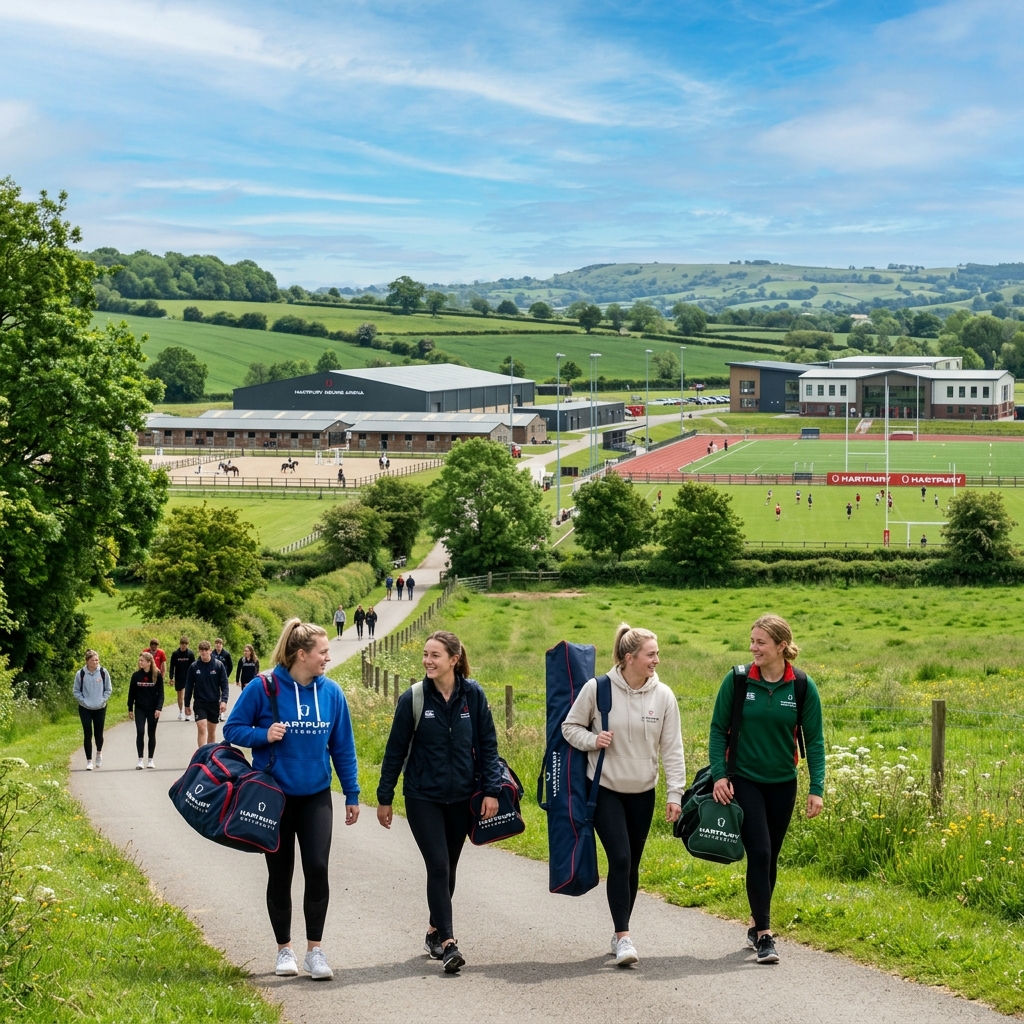
Environmental science is the study of the natural systems that support life on earth and of the ways in which human activity is altering them. It is an inherently interdisciplinary subject, drawing on biology, chemistry, physical geography, ecology, geology, and social science, and it asks both diagnostic questions, what is happening to the environment and why, and prescriptive ones, what can be done about it. The urgency of climate change, biodiversity loss, pollution, and resource depletion makes environmental science one of the most consequential fields of study available to an undergraduate. At Hartpury University, this three-year full-time programme includes a sandwich year and a work placement, which together give the degree a very strong practical dimension. Hartpury's location in Gloucestershire, close to a diverse range of agricultural, woodland, riparian, and upland environments, provides an excellent setting for a degree in environmental science that takes fieldwork and applied learning seriously. The sandwich year places you in a professional or research context for an extended period, where you can develop hands-on environmental monitoring, management, or consultancy skills alongside experienced practitioners. You will study ecology, soil science, hydrology, climate science, environmental chemistry, conservation biology, environmental law and policy, and research methods in both the field and the laboratory. The degree develops both the scientific foundations and the practical competence to assess, monitor, and manage environmental systems, and it trains you to communicate environmental findings clearly to professional, regulatory, and public audiences. Graduates in environmental science work across a wide range of sectors. Environmental consultancy, statutory nature conservation agencies, the Environment Agency, local authority environmental services, the water industry, land management organisations, research institutes, and international development organisations all recruit graduates with this background. The practical experience from the sandwich year and work placement is a significant asset in what is a competitive graduate job market. Postgraduate study in ecology, environmental management, conservation biology, or related areas is pursued by many graduates who wish to specialise further or move into research.
Syllabus & Modules
Typical curriculumStudent Satisfaction
National Student Survey - 210 respondents (82% response rate)
Similarly Ranked Alternatives


What comes next? 🎓
Choosing the right university starts with choosing the right school. Explore transparent, data-driven school profiles powered by official DfE statistics.
Explore Schools on WhatSchool.ai →