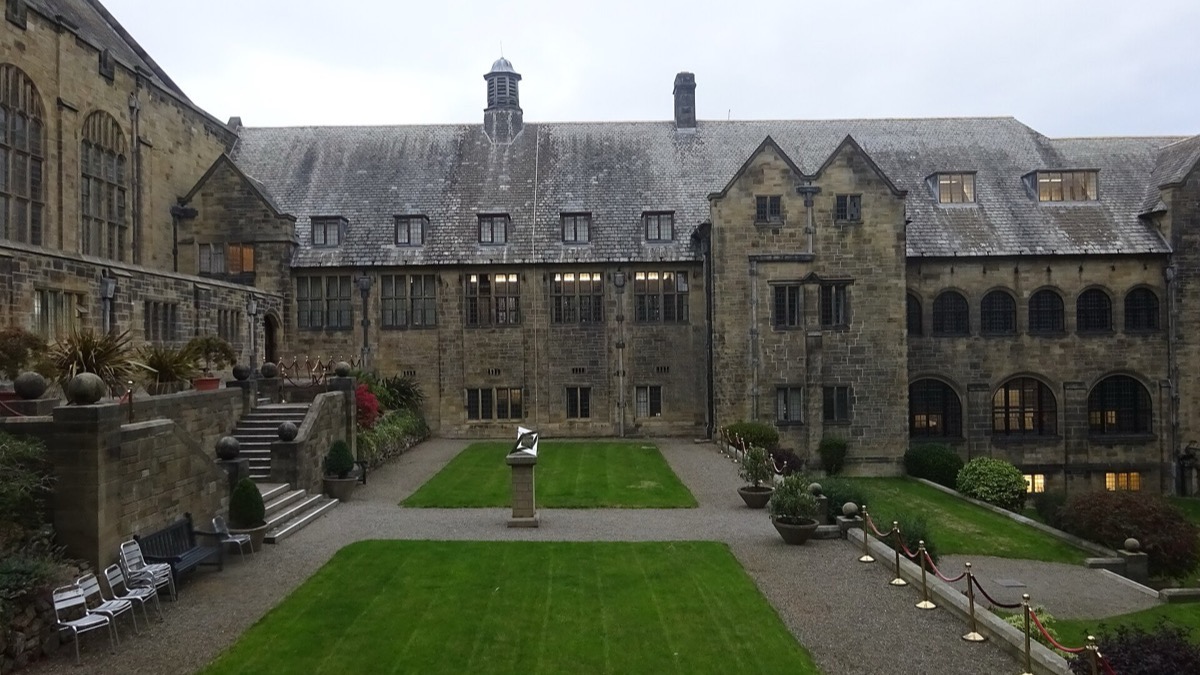
BSc Environmental Sciences
About this course
Environmental sciences sits at the intersection of biology, chemistry, geology, ecology and policy, concerned with understanding the physical and living systems that make up our planet and with the human pressures that are reshaping them. It is a discipline driven by some of the most urgent questions of our era, including climate change, habitat loss, water scarcity, soil degradation and ocean pollution, and it attracts students who want both to understand these systems scientifically and to contribute to practical responses. The field demands quantitative rigour alongside fieldwork skills and an ability to communicate complex findings to diverse audiences. At Bangor University this three-year full-time programme includes a foundation year, a sandwich year and a year abroad, making it an unusually rich programme in terms of both practical experience and international perspective. The foundation year builds the scientific and academic skills you need before entering the main degree, while the sandwich year provides an extended professional placement that could be in conservation, environmental consultancy, government agencies or research organisations. The year abroad extends your exposure to environmental challenges in a different geographical and institutional context. Work placement experience is woven through the programme. Bangor's location in north Wales places you close to some of Britain's most significant and diverse natural environments, from mountain and moorland to the coastal and marine ecosystems of the Menai Strait and Cardigan Bay, which enrich fieldwork and research opportunities throughout the degree. Graduates of environmental sciences programmes work in environmental consultancy, conservation management, climate policy, water resource management, ecological surveying, environmental monitoring and regulation, sustainability roles in the private sector and a wide range of government and non-governmental organisations. The placement and year abroad together give graduates a significant advantage in a competitive field. For those who want to continue their studies, postgraduate degrees in environmental science, ecology, conservation biology, climate science or environmental policy provide clear pathways to research and specialist professional practice.
Syllabus & Modules
Typical curriculumStudent Satisfaction
National Student Survey - 15 respondents (84% response rate)
Similarly Ranked Alternatives


What comes next? 🎓
Choosing the right university starts with choosing the right school. Explore transparent, data-driven school profiles powered by official DfE statistics.
Explore Schools on WhatSchool.ai →