BSc Physical Geography (with integrated year studying abroad)
About this course
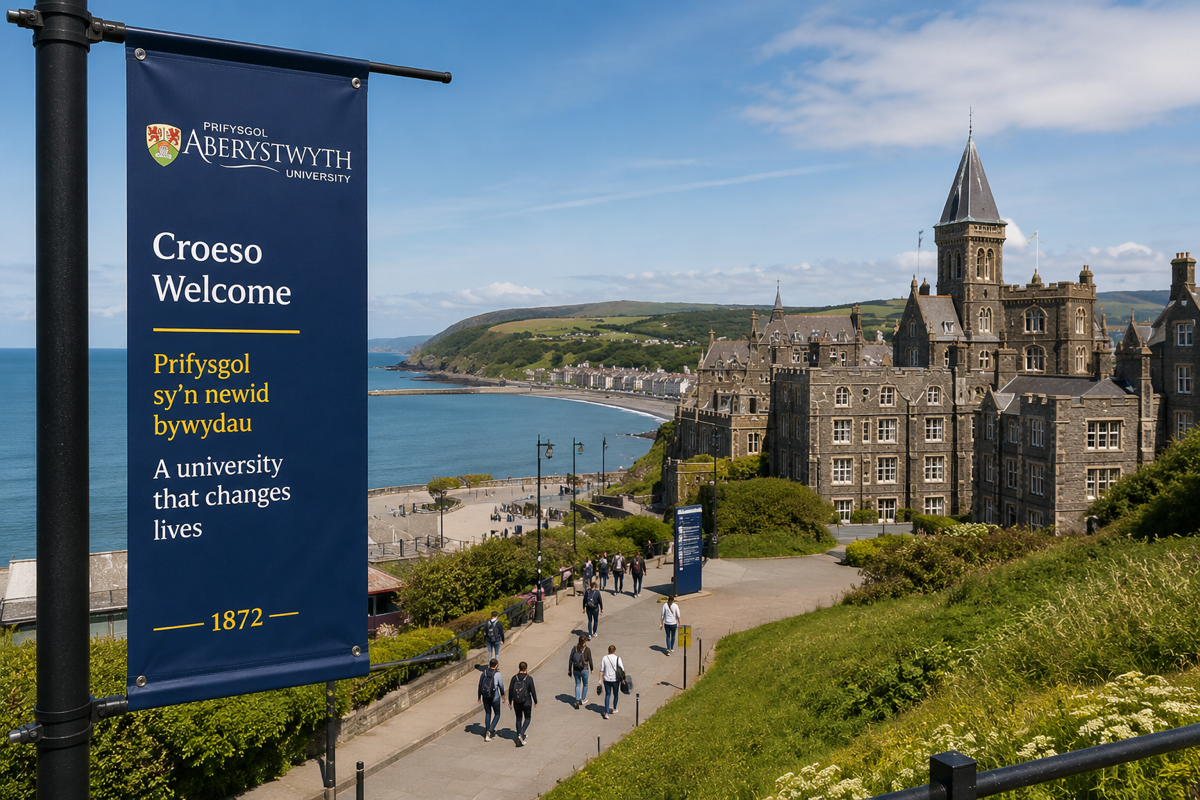
Physical geography is the scientific study of the Earth's natural environments, encompassing the processes that shape landscapes, drive climate, distribute water, and sustain life. It ranges in scale from the slow movement of glaciers and the dynamics of river systems to the global atmospheric circulation patterns that determine regional climates. At a moment when human activity is reshaping these natural systems at unprecedented speed, physical geographers are at the forefront of understanding what is changing, how quickly, and what the consequences might be. This four-year degree at Aberystwyth University includes an integrated year studying abroad with an international or European partner, giving you the chance to experience physical geography in a different landscape and academic tradition. Aberystwyth's location on the west coast of Wales, in one of the most geologically and geomorphologically varied parts of Britain, provides outstanding fieldwork environments: upland glaciated terrain, dynamic coastal systems, rivers, and moorland are all accessible and regularly used for teaching. You will study core topics in geomorphology, climatology, hydrology, biogeography, and environmental change, developing practical skills in fieldwork, remote sensing, geographic information systems, and laboratory analysis. The year abroad extends this training into new environments, enriching your understanding of how physical processes operate across different climatic and geological contexts. You will develop strong quantitative and analytical skills, the ability to design and carry out investigations, and the capacity to interpret complex environmental data and communicate your findings clearly. These skills translate well into many professional contexts beyond academia. Graduates from physical geography programmes work in environmental consultancy, flood risk management, coastal engineering, environmental monitoring, conservation, planning, and government environmental agencies. The degree also provides a strong foundation for postgraduate study in areas such as climate science, hydrology, geomorphology, environmental management, and remote sensing, for those who wish to specialise or pursue research careers.
Syllabus & Modules
Typical curriculumStudent Satisfaction
National Student Survey - 55 respondents (94% response rate)
Similarly Ranked Alternatives




What comes next? 🎓
Choosing the right university starts with choosing the right school. Explore transparent, data-driven school profiles powered by official DfE statistics.
Explore Schools on WhatSchool.ai →