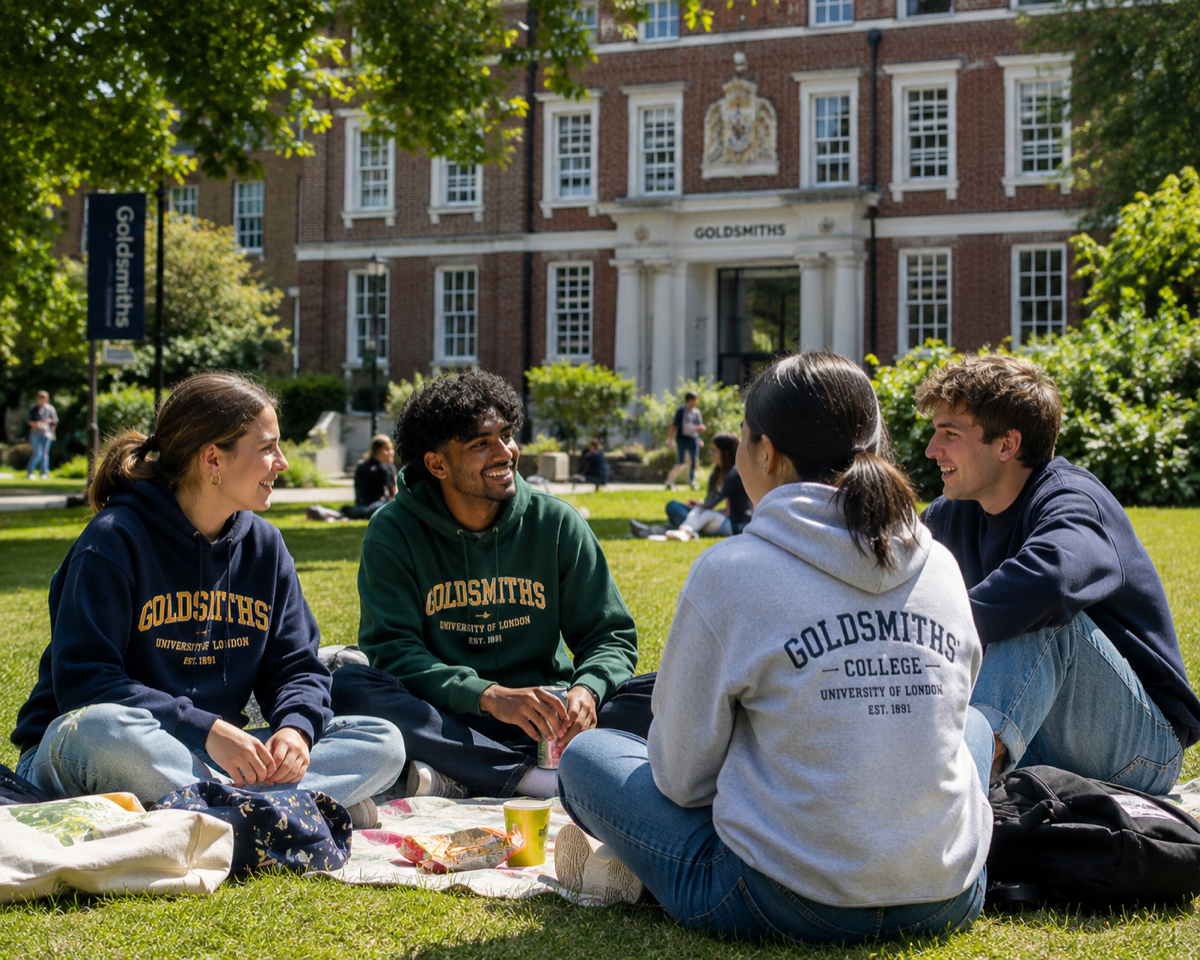
BMus Popular Music
About this course
Popular Music as an academic subject takes seriously what is often dismissed as mere entertainment, examining how popular music is made, distributed, consumed, and understood, and what it reveals about the societies that produce it. It is a field that draws on musicology, cultural studies, sociology, history, and creative practice, insisting that the rhythms, structures, and lyrical content of pop, rock, hip-hop, electronic music, and their many offshoots are worth analysing with the same rigour applied to classical repertoires. Popular music has been one of the most powerful forces shaping global youth culture, political identity, and commercial life over the past seventy years, and studying it seriously means engaging with questions about technology, race, gender, globalisation, and the music industry's economics as much as with the sounds themselves. At Goldsmiths in London, this three-year full-time programme combines creative and academic approaches to popular music. You will study musicology, music technology, the history of popular music genres, and the cultural and political contexts in which popular music operates, alongside opportunities to develop your own practice as a musician, producer, or writer. Goldsmiths has a strong tradition of integrating critical thinking with creative work, and the programme reflects this in its refusal to separate analysis from practice. London provides an exceptional environment for this kind of study, with an active music scene across every genre, major venues, studios, and a music industry of global significance within reach. Graduates pursue careers in music journalism, artist management, music production, A&R, music education, festival and venue management, the streaming and digital media industries, and academic research. Many continue to postgraduate study in music, cultural studies, or media. The programme is well suited to anyone who wants to think seriously about why popular music matters and how it works.
Syllabus & Modules
Typical curriculumStudent Satisfaction
National Student Survey - 20 respondents (57% response rate)
Similarly Ranked Alternatives



What comes next? 🎓
Choosing the right university starts with choosing the right school. Explore transparent, data-driven school profiles powered by official DfE statistics.
Explore Schools on WhatSchool.ai →