High Drop-out Rate Alert
30% of students drop out or transfer from this specific course. Consider asking why on an open day.
BSc Computing
About this course
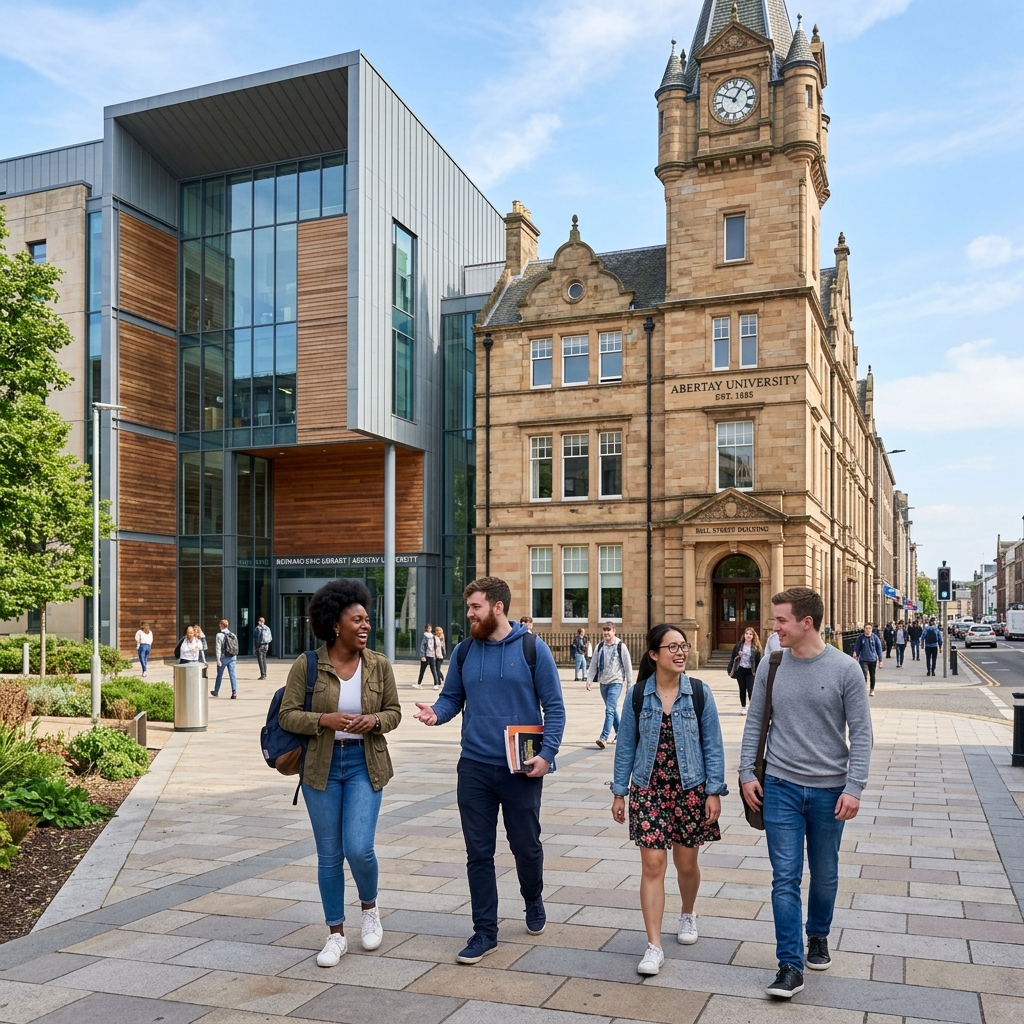
Computing as a degree encompasses the design, development, and analysis of software systems, giving you both the theoretical foundations and the practical skills needed to build digital solutions across a wide range of applications. It is broader in scope than software engineering alone, touching on algorithms and data structures, systems architecture, human-computer interaction, databases, networking, and the principles that underlie how computers work at every level. A computing degree trains you to think algorithmically, to write reliable code, and to understand the constraints and possibilities of the systems you build. At Abertay University, this four-year programme provides a thorough grounding in computing fundamentals while allowing you to develop practical expertise through project work and applied study. Abertay has a strong tradition in computing and is particularly well known for its connections to the games and creative technology industries, which gives the computing programme an unusually strong applied dimension. You will develop programming skills across multiple languages and paradigms, study networks and operating systems, and engage with areas such as security, data management, and software project management. The four-year structure includes a year abroad, giving you the opportunity to study at a partner institution in a different country, broadening your academic and personal experience. Computing graduates are sought after across virtually every sector of the economy. Software development, systems analysis, database administration, and IT consultancy are the most direct routes into the profession. The games and creative technology industries that Abertay is known for are obvious potential employers, but computing graduates also find roles in finance, healthcare, retail, the public sector, and beyond. Cybersecurity, data science, and cloud computing are fast-growing areas that draw computing graduates with relevant specialisms. Some graduates continue to postgraduate study, developing expertise in a particular domain or moving into research. The skills developed in a computing degree also transfer well into technical project management and entrepreneurship.
Syllabus & Modules
Typical curriculumStudent Satisfaction
National Student Survey - 15 respondents (75% response rate)
Similarly Ranked Alternatives

What comes next? 🎓
Choosing the right university starts with choosing the right school. Explore transparent, data-driven school profiles powered by official DfE statistics.
Explore Schools on WhatSchool.ai →