High Drop-out Rate Alert
55% of students drop out or transfer from this specific course. Consider asking why on an open day.
BSc Information Technology (with Foundation Year)
About this course
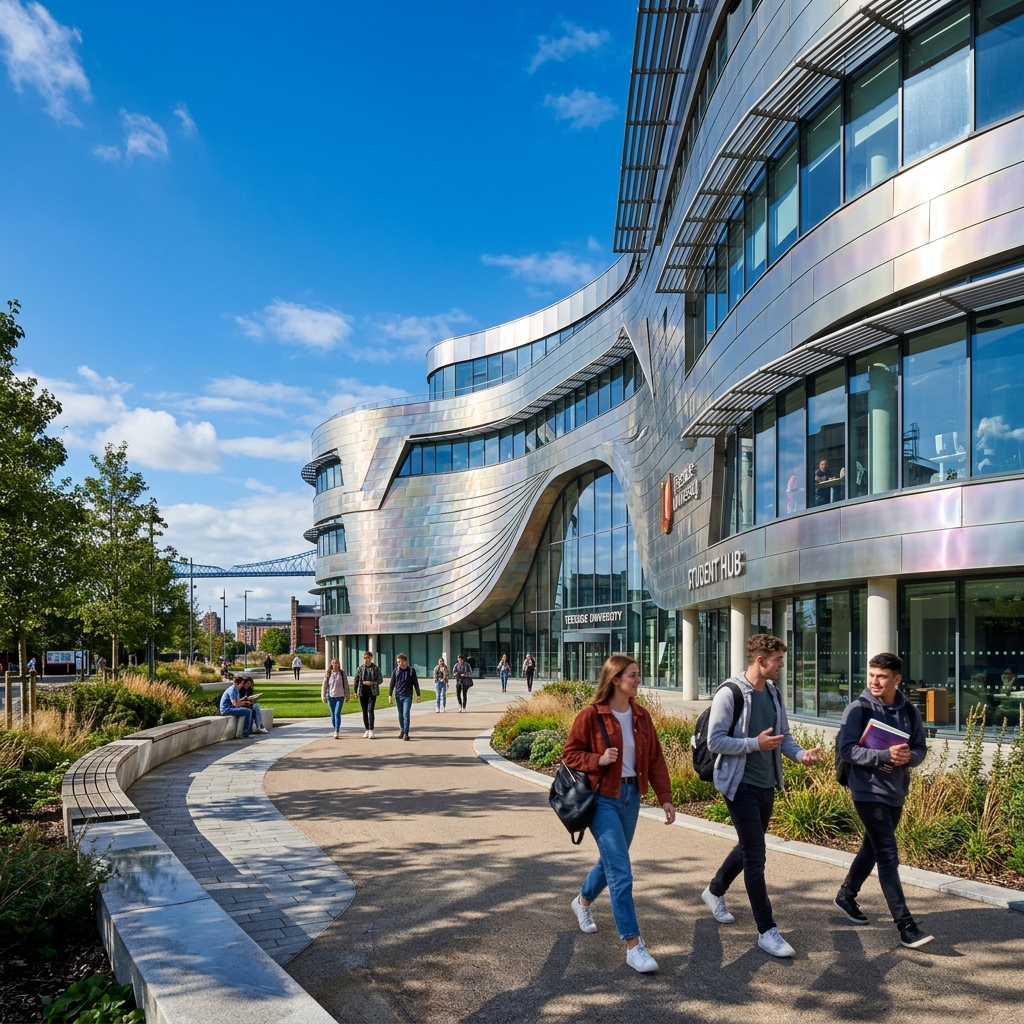
Information technology is the discipline concerned with how computational systems are designed, built, and used to process, store, and communicate information. It is a field defined by practical problem-solving: understanding the fundamental concepts of algorithms and data structures that underpin all software, and knowing how to apply them to build solutions to complex real-world challenges. As digital systems become ever more central to how organisations, public services, and everyday life function, the need for people who can think computationally and build reliable, effective technology has never been greater. At Teesside University this four-year full-time programme includes a foundation year, providing a structured entry point that builds the academic and technical foundations needed before engaging with degree-level content. You will study the fundamental concepts of problem-solving, algorithms, and data structures, learning how they integrate to create solutions to complex computational tasks. The programme uses practical examples, including puzzles and games, to make algorithmic thinking tangible from early in the course, developing your ability to think computationally and to design routines and procedures that address real problems. Programming, systems design, databases, networks, and software development are all part of the curriculum as it progresses. A sandwich year gives you the opportunity to spend a full year in a professional IT environment, putting your skills to work and gaining the kind of hands-on experience that makes a significant difference when you enter the job market. Work placement opportunities are embedded throughout, ensuring that the connection between academic learning and professional practice is sustained across the whole degree. Graduates of information technology programmes move into careers in software development, systems analysis, IT consultancy, network engineering, data management, digital transformation, and technical project management across every sector of the economy. Further study in computer science, data science, or cybersecurity is also an option for those who wish to specialise.
Syllabus & Modules
Typical curriculumStudent Satisfaction
National Student Survey - 15 respondents (93% response rate)
Similarly Ranked Alternatives


What comes next? 🎓
Choosing the right university starts with choosing the right school. Explore transparent, data-driven school profiles powered by official DfE statistics.
Explore Schools on WhatSchool.ai →